Horizon Bop

Engineering practice · Established discipline

Software built to stay useful

Horizon Bop designs, builds and maintains custom software, cloud platforms and data systems. We work close to the architecture, so the software we hand over can keep changing for years without being rewritten.

Discipline
Product engineering
Focus
Architecture & reliability
Language
English
Close-up of structured network cabling inside a server rack, lit in warm amber light
Fig. 1 — Infrastructure that carries production traffic
Introduction

An engineering company, not a software factory

Horizon Bop is an IT company that works on the systems organisations depend on every day. Our attention goes to the parts of software that decide its long-term cost: the model of the domain, the boundaries between services, the way data moves, and the ease with which a change can be released safely.

We prefer small, senior teams working in direct contact with the people who own the outcome. That keeps decisions explicit, keeps feedback short, and removes the translation layers where requirements usually lose their meaning.

Every engagement is written down: what we are building, what we deliberately are not building, and which trade-offs were accepted along the way.

Technology expertise

Depth across the stack we build on

Application engineering

Typed backends and modern front-end architectures, server-rendered interfaces, background processing and event-driven workflows.

Cloud & platform

Managed services, containers, infrastructure as code, environment parity, autoscaling and cost-aware architecture.

Data & integration

Relational and analytical stores, streaming and batch pipelines, API design, message brokers and third-party system integration.

Core services

What we are asked to build

A full account of each service is kept on the services page at /services.
  1. Custom software development
  2. Web application development
  3. Cloud solutions
  4. System architecture
  5. API and platform integrations
  6. Data engineering
  7. DevOps and infrastructure
  8. Cybersecurity consulting
  9. Quality assurance
  10. Technical consulting
  11. Legacy system modernization
  12. Ongoing software support
Problems we help solve

The symptoms teams describe first

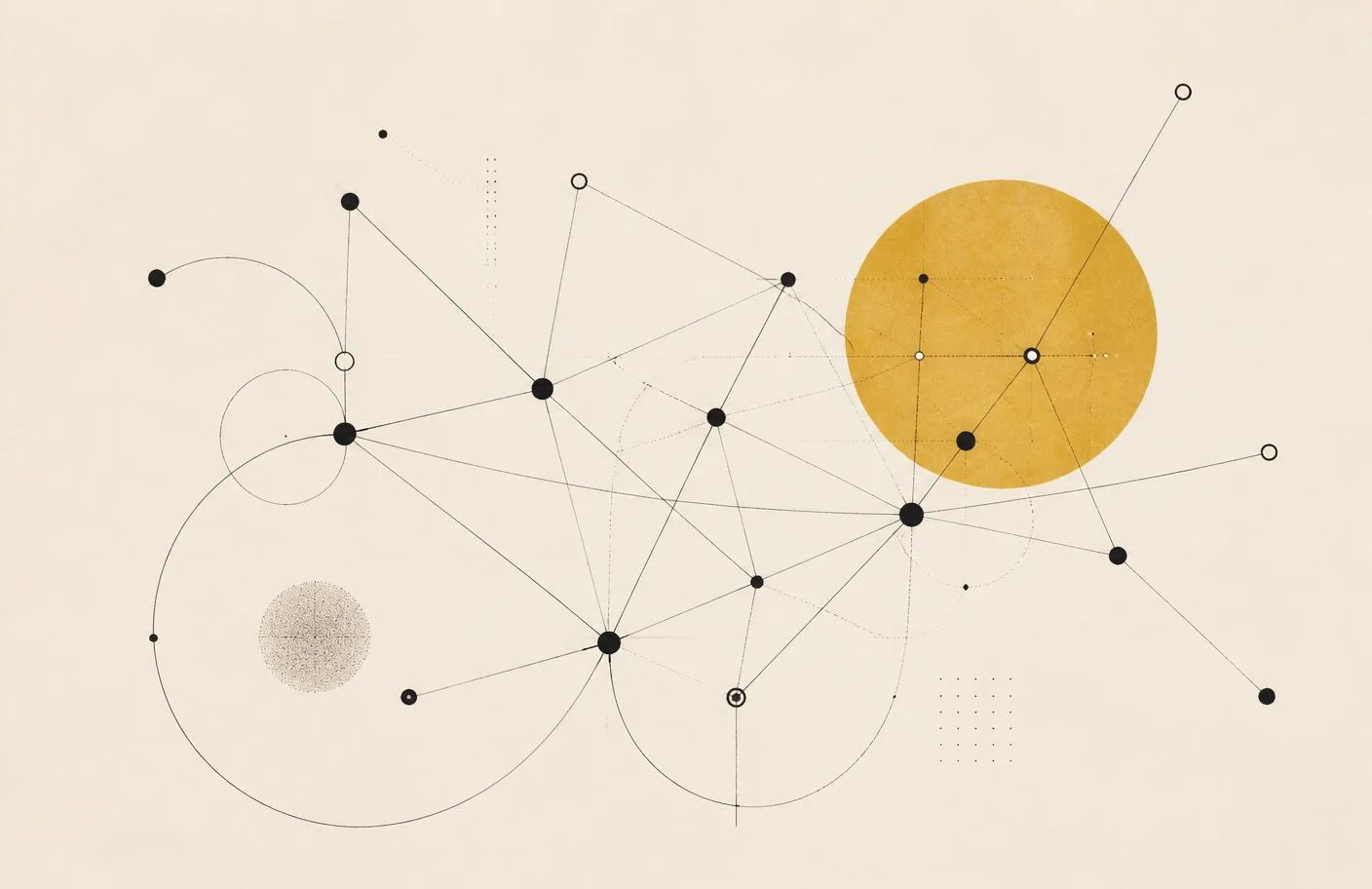
Line drawing of a distributed system topology with connected nodes and one highlighted cluster
Fig. 2 — Mapping dependencies before changing them
Releases have become risky
Deployments are manual, rarely rehearsed and hard to reverse, so changes are batched up and each release carries more risk than the last.
The system cannot absorb new requirements
Business rules are spread across the codebase, so a small product change requires edits in many unrelated places.
Data cannot be trusted
Reports disagree with the application, pipelines fail silently, and nobody can say which number is authoritative.
Cloud spend grows without explanation
Resources were sized once and never revisited; there is no clear link between usage, architecture and cost.
Knowledge lives in a few people
Critical decisions were never written down, so onboarding is slow and absence becomes an operational risk.
Work process

Five movements, repeated

Discovery

Understand the domain, the constraints and the definition of done.

Architecture

Agree the shape of the system, its boundaries and its data model.

Delivery

Build in short iterations, each ending in reviewable working software.

Verification

Automated tests, code review, performance checks and security review.

Operation

Observability, documentation, handover and continuing support.

Industries served

Domains our engineering suits

The common thread is complexity: rules that matter, data that must reconcile, and software that has to keep running while it changes.

  • Financial technology
  • Logistics and supply chain
  • Healthcare technology
  • Manufacturing and industrial systems
  • Retail and e-commerce platforms
  • Professional services
  • Education technology
  • Energy and utilities
  • Media and publishing
  • Public sector suppliers
Engineering principles

Positions we hold, not slogans

Quiet engineering workspace with two monitors showing code, notebooks and morning light
Fig. 3 — Review and design happen before implementation
  • Simple before clever

    The design that fewer people can misunderstand wins.

  • Write the decision down

    An architecture note outlives the conversation that produced it.

  • Automate what is repeated

    Manual steps are where reliability quietly disappears.

  • Make failure visible

    Systems should report their own state before a user has to.

  • Own the whole change

    Design, tests, deployment and observability belong to the same change.

  • Delete deliberately

    Removing unused code and services is engineering work, not cleanup.

Technology capabilities

Capability, layer by layer

Table 1 — Engineering layers and the work they involve
LayerWork involved
InterfaceAccessible, responsive front-end architecture, design system implementation, performance budgets.
ServicesDomain modelling, service boundaries, background jobs, idempotent processing, versioned APIs.
DataSchema design, migrations, pipelines, warehouse modelling, data quality checks and lineage.
PlatformInfrastructure as code, environments, container orchestration, release automation, rollback paths.
OperationsLogging, metrics, tracing, alerting, incident review and capacity planning.
AssuranceAutomated test suites, contract tests, load testing, dependency and vulnerability review.
Security & quality

Quality is a process, not a phase

Least privilege

Access is scoped to the smallest set of permissions a task needs, for people and services alike.

Secrets discipline

Credentials live in managed secret storage, never in source control or shared documents.

Dependency hygiene

Third-party packages are pinned, reviewed and monitored for published vulnerabilities.

Validation at the edge

Input is validated and typed at the boundary, and errors are handled explicitly.

Testing that matters

Automated coverage is aimed at the rules and paths where failure would be expensive.

Reviewed changes

Every change is read by another engineer before it reaches a production environment.
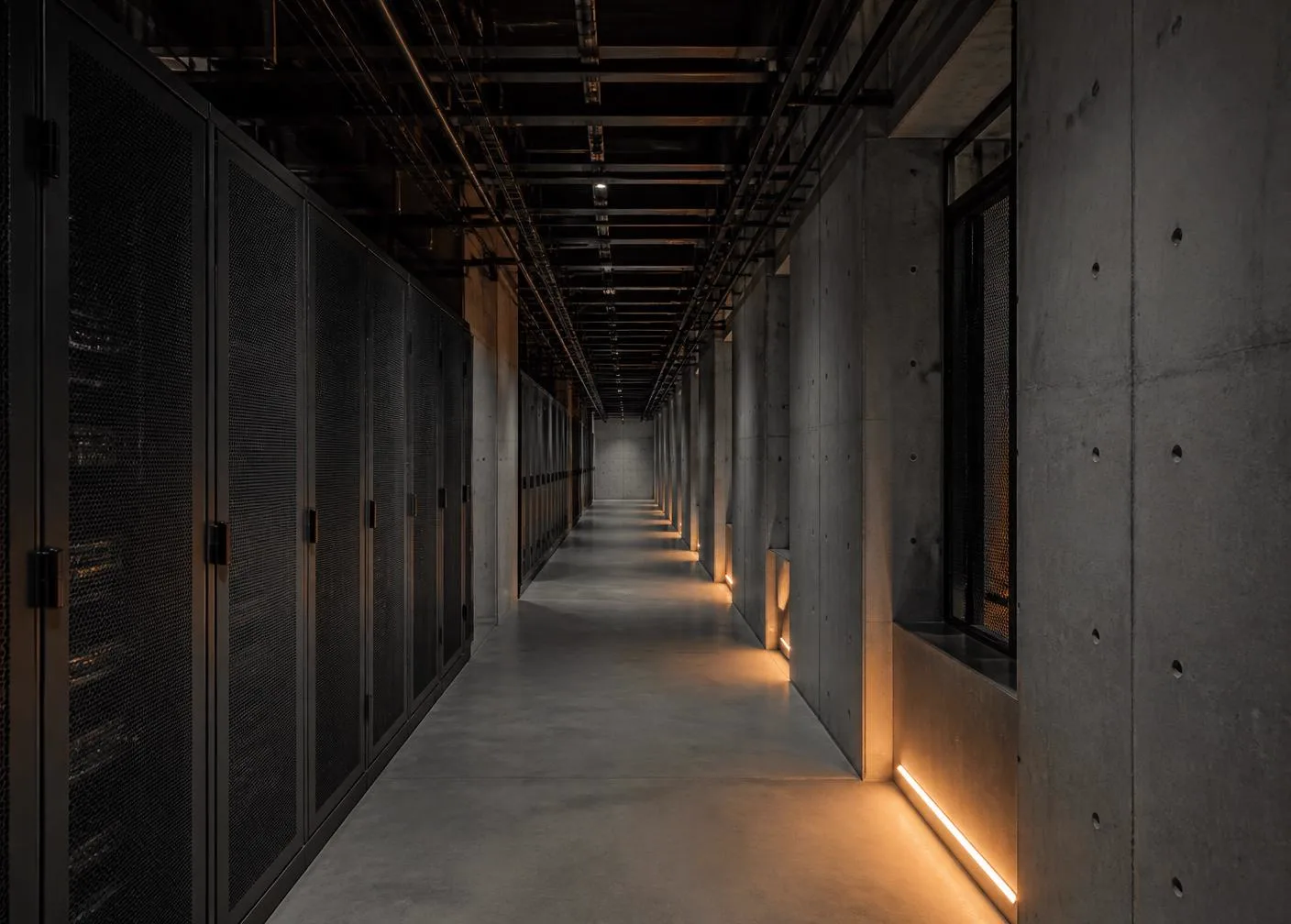
Corridor of dark server cabinets in a cloud data centre lit by low amber floor lighting
Fig. 4 — Hardened environments and controlled access paths
Collaboration model

How we work alongside your team

Engagements are shaped around the problem rather than a fixed contract template.

Project delivery
A defined outcome, an agreed scope and a team that owns delivery end to end.
Embedded engineering
Our engineers join your existing team and follow your rituals and standards.
Advisory
Focused architecture, security or modernisation review with written recommendations.

Whichever shape an engagement takes, communication stays written and traceable: decisions, risks and progress are recorded so any reader can reconstruct why the system looks the way it does.

Frequently asked questions

Questions we answer often

What kind of work does Horizon Bop take on?
Custom software and web application development, cloud and platform engineering, system architecture, integrations, data engineering, DevOps, quality assurance, security consulting and modernisation of existing systems.
How does an engagement usually begin?
With a discovery conversation. We review the current system, the constraints around it and the outcome you need, then propose a scope, an architecture direction and a delivery rhythm before any code is written.
Do you work on existing systems or only new products?
Both. A large share of engineering work is improving software that is already in production — clarifying its architecture, replacing fragile parts and making releases predictable again.
How is progress made visible?
Through working software. Each iteration ends with something that can be run, reviewed and measured, accompanied by written notes on decisions, risks and what comes next.
How is security handled during delivery?
Security is treated as part of engineering rather than a later review: least-privilege access, secret management, dependency monitoring, input validation and threat discussion during design.
How can Horizon Bop be reached?
By email at johnwoods1315@gmail.com. Written enquiries describing the system, the goal and the constraints receive the most useful reply.
Contact information

Written enquiries only

Company
Horizon Bop
Email
johnwoods1315@gmail.com
Website
horizonbopgroup.com

Contact details are published as plain text. A short description of the system, the outcome you need and the constraints you are working within is enough to start a useful conversation.